
Water Softener Plant in Chennai
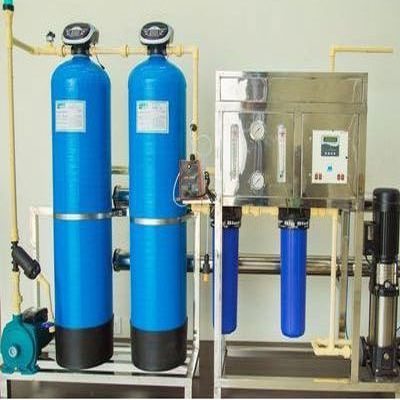
Water Softener Plant in Chennai
Hard water is a common water quality concern that can affect residential, commercial, institutional, and industrial operations. Water containing higher levels of calcium and magnesium can cause scale deposits in pipelines, storage tanks, boilers, heat exchangers, heating equipment, and other water-dependent systems. Hardness can also reduce the efficiency of soaps and cleaning agents, increasing consumption and maintenance requirements.
Phoenix Engineers provides engineered water softening solutions based on source-water quality, water consumption, required flow, operating conditions, and the intended application. With 20 years of experience in the water treatment industry, we focus on practical system planning, suitable treatment technology, reliable operation, and ongoing maintenance support.
What Is Water Softening?
Water softening is a treatment process used to reduce hardness-causing minerals, primarily calcium and magnesium ions, from water. These dissolved minerals are responsible for scale formation and can affect the performance of water-using equipment and cleaning processes.
A commonly used method is ion-exchange softening. In this process, hard water passes through a vessel containing specially selected ion-exchange resin. The resin attracts calcium and magnesium ions and exchanges them with sodium ions. This reduces water hardness and makes the treated water more suitable for applications where hardness control is important.
The appropriate treatment configuration depends on the incoming hardness level, required capacity, daily consumption, peak flow, and the intended use of treated water.
How Does an Ion-Exchange Water Softener Work?
A typical softening system consists of a pressure vessel containing ion-exchange resin, along with suitable valves, controls, and associated components.
During the service cycle, hard water enters the vessel and passes through the resin bed. Calcium and magnesium ions are retained by the resin, while treated water exits the system with reduced hardness.
Over time, the resin becomes loaded with hardness ions and requires regeneration to restore its treatment capacity. During regeneration, a salt solution is passed through the resin bed. This process helps restore the ion-exchange capacity of the resin so that it can continue treating water effectively.
Depending on the application and operating requirements, softening equipment can be configured for manual, semi-automatic, or automatic operation.
Why Is Hardness Removal Important?
Hardness can create operational and maintenance challenges when untreated water is continuously supplied to equipment. Calcium and magnesium can form deposits on surfaces, particularly where water is heated or evaporated.
A properly selected softening system can help:
- Reduce calcium and magnesium hardness
- Minimize scale formation
- Improve soap and detergent performance
- Reduce hardness-related deposits in pipelines and equipment
- Support efficient operation of heating systems
- Protect selected downstream treatment equipment
- Reduce maintenance associated with mineral scale
- Provide more consistent water quality for suitable applications
The actual performance depends on incoming water quality, system capacity, operating conditions, and maintenance practices.
Applications of Water Softening Systems
Water softening is useful in many applications where hardness control is an important part of water treatment.
Industrial Water Treatment
Industrial facilities may require softened water for boilers, cooling systems, manufacturing processes, washing operations, utilities, and other applications. Excessive hardness can contribute to scale formation and affect equipment performance.
A properly sized system can be integrated into an industrial water treatment process according to water demand, hardness level, operating schedule, and downstream requirements.
Commercial and Institutional Facilities
Hotels, hospitals, offices, educational institutions, apartment communities, restaurants, and other commercial facilities may benefit from hardness reduction where hard water affects plumbing, cleaning, heating equipment, or general water usage.
The system can be planned according to daily consumption, peak demand, available installation space, and required treated-water quality.
Boiler and Heating Systems
Hardness control is particularly important in applications involving water heating. Calcium and magnesium deposits can accumulate on heat-transfer surfaces and may affect heat-transfer efficiency.
Softened water can therefore be used as a suitable pre-treatment step where hardness reduction is required before water enters boilers or other heating equipment.
Selecting the Right Softening System
Choosing the correct system requires more than selecting equipment based only on water flow. Source-water characteristics and actual operating conditions should be evaluated before determining treatment capacity and configuration.
Important factors include:
- Total hardness of the source water
- Daily water consumption
- Peak flow requirement
- Required hardness level after treatment
- Resin exchange capacity
- Regeneration frequency
- Salt consumption
- Water pressure
- Available installation area
- Downstream equipment requirements
- Operation and maintenance needs
At Phoenix Engineers, these factors are considered while planning a treatment solution. This application-focused approach helps ensure that the selected equipment is appropriate for the customer's actual requirements.
Water Softener Plant in Chennai for Different Requirements
A suitable softening system should be designed according to the hardness level and water demand of the site rather than using the same configuration for every application. Phoenix Engineers evaluates factors such as source-water quality, flow requirement, equipment usage, available space, and operational conditions before recommending an appropriate solution.
Whether the requirement is for a commercial facility, industrial process, boiler feed application, residential development, or institutional property, the treatment arrangement can be planned around the specific operating needs of the customer.
Operation and Maintenance Support
Installing a softening system is only one part of achieving consistent treatment performance. Regular monitoring and maintenance are important to ensure that the system continues to operate effectively.
Maintenance activities may include checking treated-water hardness, monitoring regeneration cycles, maintaining the brine or salt system, inspecting valves and controls, and evaluating resin performance.
Phoenix Engineers provides comprehensive operator and management services, along with regular maintenance and operational support for water treatment plants. Our objective is to help customers maintain reliable performance and address routine operational requirements effectively.
Why Choose Phoenix Engineers?
Choosing an experienced water treatment company can make a significant difference in system selection, operation, and long-term maintenance.
With 20 years of industry experience, Phoenix Engineers provides practical water treatment solutions for residential, commercial, institutional, and industrial applications. Our approach focuses on understanding the source water and treatment objective before recommending an appropriate system.
Our capabilities include:
- Water softening system planning
- Hardness reduction solutions
- Ion-exchange treatment
- Capacity-based system selection
- Installation support
- Operator and management services
- Routine maintenance assistance
- Water treatment plant operational support
We aim to provide solutions that are technically appropriate, practical to operate, and suitable for the customer's long-term requirements.
Frequently Asked Questions
Get the Right Water Softening Solution
Effective hardness control begins with understanding the source water and its intended application. A properly selected and maintained system can help reduce scale-related issues, support equipment performance, improve cleaning efficiency, and provide more consistent water quality.
With 20 years of experience, Phoenix Engineers combines technical understanding with practical water treatment solutions for different operating environments.
For Enquiries
Our Water Treatment Solutions
Phoenix Engineers provides practical water and wastewater treatment solutions for industrial, commercial and institutional requirements. Explore our treatment systems, equipment and professional services below.